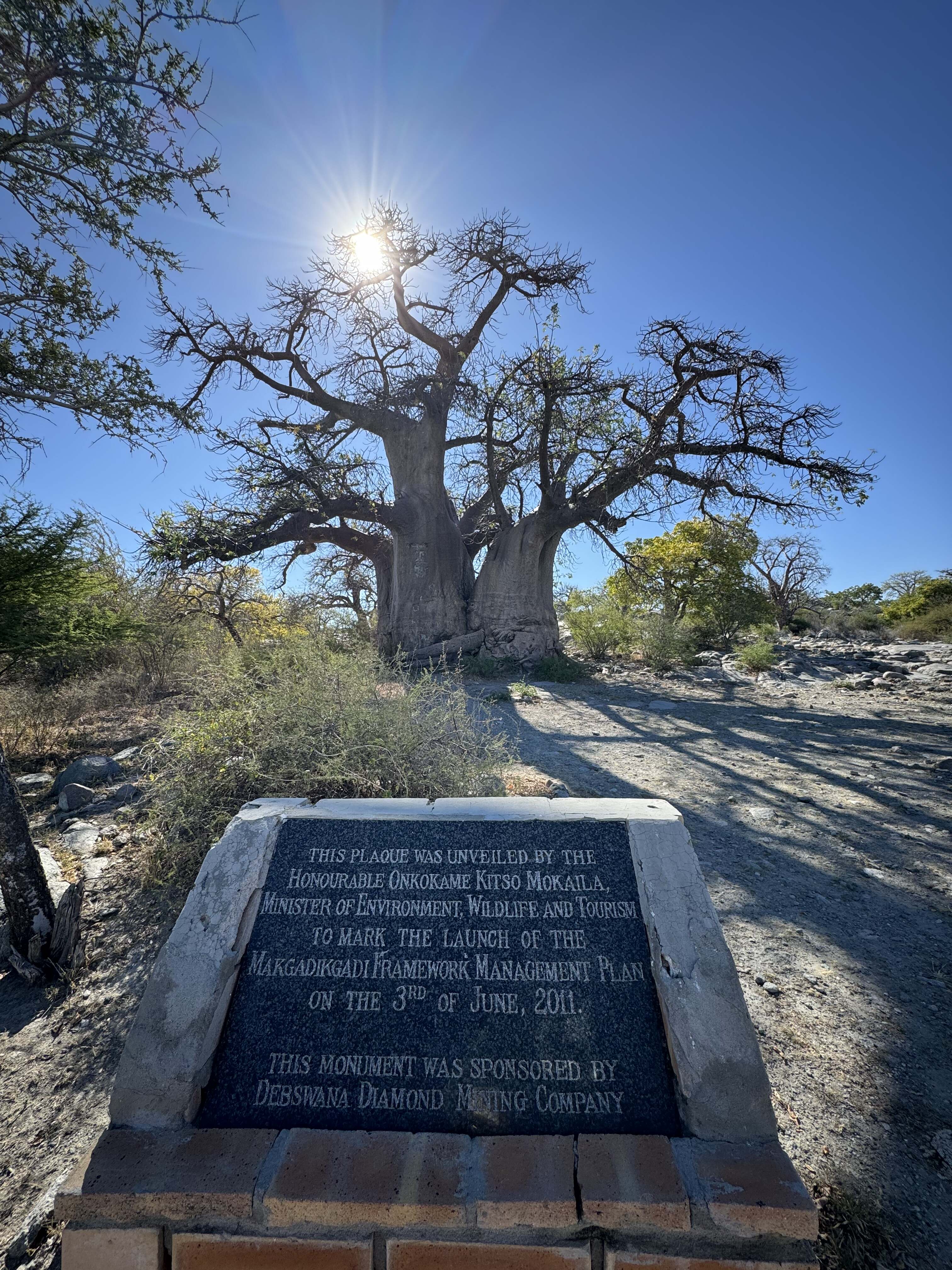

Nestled in the heart of Botswana, the Makgadikgadi Pans are one of the largest salt flats in the world, spanning approximately 12,000 square kilometers. These ancient and striking landscapes are not just a geographical phenomenon but also a crucial ecological region that tells the story of Earth's climatic and geological evolution.
Geological History
The Makgadikgadi Pans are remnants of a vast lake that once covered much of the area. Millions of years ago, during the Pleistocene epoch, the region was home to Lake Makgadikgadi, one of the largest lakes in the world. Over time, the climate changed, and the lake gradually dried up, leaving behind the expansive salt flats we see today. The pans' current appearance is a testament to the dynamic and ever-changing nature of Earth's geology.
Ecological Significance
Despite the harsh, arid conditions, the Makgadikgadi Pans are teeming with life, especially during the rainy season. When the rains come, the pans transform into a vibrant oasis. Temporary lakes form, and a burst of greenery appears, attracting a myriad of wildlife. Flamingos are particularly notable; they come in vast numbers to feed on the algae that thrive in the seasonal waters. The pans also support a variety of other bird species, and during the right conditions, you can witness large herds of wildebeest, zebras, and antelope migrating through the area.
Cultural and Historical Importance
The Makgadikgadi Pans hold significant cultural importance for the indigenous San people, also known as the Bushmen. Their ancestral stories and folklore are deeply intertwined with this landscape, which they regard as a sacred space. The San have historically used the pans as hunting grounds and have a profound understanding of the land's seasonal cycles and ecological nuances.
Tourism and Exploration
In recent years, the Makgadikgadi Pans have become a sought-after destination for adventurous travelers and nature enthusiasts. The stark beauty of the salt flats, combined with the unique opportunities to witness dramatic wildlife migrations and stunning sunsets, makes it a photographer's paradise. Activities such as quad biking across the pans, camping under the stars, and visiting nearby attractions like the Kubu Island—an ancient, isolated island in the middle of the salt flats—offer visitors a chance to experience the area's otherworldly charm.
Conservation Efforts
Preserving the delicate balance of the Makgadikgadi Pans is crucial, as climate change and human activities pose significant threats. Conservation initiatives focus on protecting the unique biodiversity of the region and managing tourism in a sustainable manner. Efforts are underway to monitor wildlife populations, safeguard water sources, and educate both locals and visitors about the ecological importance of this remarkable landscape.
Conclusion
The Makgadikgadi Pans are a striking example of nature's power to transform and adapt. From their ancient origins as a colossal lake to their current status as a stunning salt flat ecosystem, the pans are a testament to Earth's dynamic history and ecological resilience. They are not only a treasure trove for scientists and conservationists but also a mesmerizing destination for travelers seeking to connect with one of the world's most unique landscapes. As we look to the future, protecting and appreciating the Makgadikgadi Pans will ensure that this extraordinary natural wonder continues to captivate and inspire generations to come.